Shinzou Cinema Home

Category

Film Analysis

25 articles

Too Close for Comfort: How Japanese Cinema Turns Intimacy Into a Cage

Too Close for Comfort: How Japanese Cinema Turns Intimacy Into a Cage

In American cinema, two people drawing near is almost always a promise — of love, of rescue, of resolution. Japanese cinema refuses that comfort, staging physical closeness as something far more unsettling: a slow-motion trap. This piece examines how Japanese directors use confined space and bodily proximity to generate dread, and what that technique reveals about a fundamentally different understanding of what it means to be seen.

The Weight That Passes Down: Multigenerational Trauma in Japanese Cinema and Why It Haunts Us

The Weight That Passes Down: Multigenerational Trauma in Japanese Cinema and Why It Haunts Us

Japanese cinema has long understood that the past does not stay in the past — it travels through bloodlines, through silence, through the particular way a parent flinches at a certain sound. For American audiences now grappling with their own deferred reckonings, these films arrive with the force of a long-overdue conversation. This piece examines what Japanese cinema's multigenerational narratives reveal about healing, obligation, and the cost of looking away.

When Responsibility Becomes Tenderness: The Hidden Language of Duty in Japanese Film

When Responsibility Becomes Tenderness: The Hidden Language of Duty in Japanese Film

Japanese cinema has long understood something that American storytelling rarely pauses to examine: that the deepest expressions of love are often indistinguishable from the heaviest obligations. Through carefully constructed scenes of quiet commitment, Japanese directors reveal how constraint and devotion can become two faces of the same feeling. This piece explores how that paradox reshapes the way we understand sacrifice, intimacy, and what it truly means to care for another person.

Carried in the Bones: How Japanese Cinema Reads Memory Through the Moving Body

Carried in the Bones: How Japanese Cinema Reads Memory Through the Moving Body

In Japanese cinema, a character's posture can carry the weight of an entire history that dialogue never touches. Directors working across generations have understood the body not merely as a vessel for performance, but as a living record of everything a person has endured and suppressed. This piece examines how filmmakers train attentive viewers to decode that physical autobiography.

Time as Instrument: How Japanese Cinema Weaponizes Duration to Unsettle and Illuminate

Time as Instrument: How Japanese Cinema Weaponizes Duration to Unsettle and Illuminate

Japanese filmmakers treat time itself as a dramatic element, stretching scenes far beyond the rhythms American audiences expect and forcing a confrontation with discomfort, empathy, and self-awareness. This analysis examines how long takes, deliberate repetition, and extended silences function not as stylistic indulgence but as precise emotional engineering. The result is a cinema that changes not just what you feel, but how conscious you become of the act of feeling it.

No Resolution Required: How Japanese Cinema Asks Us to Live Inside Moral Conflict

No Resolution Required: How Japanese Cinema Asks Us to Live Inside Moral Conflict

Where American films typically demand that ethical crises be solved, Japanese cinema often insists they be endured. By treating moral conflict as a permanent condition rather than a narrative problem awaiting a solution, Japanese directors have developed a storytelling grammar that challenges some of the deepest assumptions Western audiences bring to the theater.

Speaking in Gaps: How Japanese Cinema Turns Sparse Dialogue Into a Deeper Emotional Language

Speaking in Gaps: How Japanese Cinema Turns Sparse Dialogue Into a Deeper Emotional Language

Japanese cinema has long understood that what a character chooses not to say carries as much weight as any spoken line. Through deliberate restraint and extended silence, Japanese directors achieve emotional densities that Hollywood's exposition-heavy approach rarely approaches. This article examines the craft behind that silence and why American audiences, initially disoriented, so often find themselves transformed by it.

Fluent in Gesture: How Japanese Cinema Trains Audiences to Read the Unspoken

Fluent in Gesture: How Japanese Cinema Trains Audiences to Read the Unspoken

Japanese cinema has long operated on the principle that the body knows what the mouth refuses to say. Through an examination of physical restraint, spatial positioning, and the charged significance of small movements, this article explores how Japanese actors forge a profound intimacy with viewers—and what American audiences gain when they learn to read it.

Chosen Chains: How Japanese Cinema Reframes Self-Sacrifice as Sovereign Act

Chosen Chains: How Japanese Cinema Reframes Self-Sacrifice as Sovereign Act

In Western storytelling, choosing obligation over desire is frequently coded as tragedy or failure. Japanese cinema offers a radically different proposition: that the conscious surrender of personal ambition to familial or social duty can constitute the most profound expression of selfhood. This examination traces how directors deploy narrative architecture and visual grammar to render that choice not as defeat, but as a form of love that demands its own kind of courage.

What Remains: Japanese Cinema's Vision of Aging as Ethical Reckoning

What Remains: Japanese Cinema's Vision of Aging as Ethical Reckoning

Where Hollywood tends to treat aging as either a crisis to be overcome or a sentiment to be packaged, Japanese cinema approaches the passage of time as a moral ledger—one that demands honest accounting. This piece examines how Japanese filmmakers transform the later stages of life into a sustained philosophical inquiry, asking not merely what a character has lost, but what they have owed, withheld, and failed to become.

Cinema as Conversation: How Japanese Film Rewires the Way We Watch

Cinema as Conversation: How Japanese Film Rewires the Way We Watch

Japanese cinema operates on a frequency that demands active listening rather than passive reception, stripping away the explanatory scaffolding that American audiences have come to expect. In doing so, it offers something increasingly rare: a story that trusts you to complete it. This essay examines why that radical act of restraint may be exactly what contemporary viewers need.

Bound by Design: How Japanese Cinema Finds Freedom Within the Architecture of Obligation

Bound by Design: How Japanese Cinema Finds Freedom Within the Architecture of Obligation

In Japanese cinema, duty is rarely a cage—it is a blueprint. Directors from Ozu to Kore-eda have long used the concept of giri, or social obligation, not to diminish their characters but to reveal them, placing men and women inside systems of constraint that expose the very marrow of human identity. For American audiences raised on stories of self-invention and rebellion, these films offer something genuinely disorienting: the possibility that who we are is inseparable from what we owe.

The Room as Argument: How Japanese Directors Build Meaning From the Ground Up

The Room as Argument: How Japanese Directors Build Meaning From the Ground Up

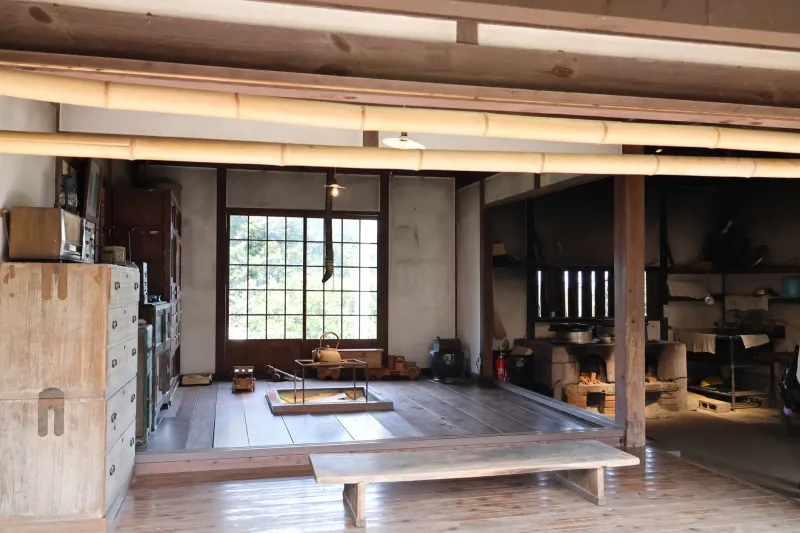
In Japanese cinema, the arrangement of a hallway or the distance between two chairs often communicates more than a page of dialogue ever could. Directors like Hirokazu Koreeda have developed a spatial vocabulary so precise that the architecture itself becomes a participant in the story. This piece offers American viewers a framework for reading those visual arguments.

When Things Remember: How Japanese Cinema Transforms Objects and Rooms Into Vessels of Grief

When Things Remember: How Japanese Cinema Transforms Objects and Rooms Into Vessels of Grief

In Japanese cinema, a worn cardigan draped over a chair or a half-eaten meal left on a kitchen table can carry more emotional weight than any tearful monologue. Directors like Hirokazu Koreeda and Yasujirō Ozu have long understood that grief does not always announce itself—it lingers in the physical world long after the people who shaped it are gone. This article examines how mise-en-scène becomes a language of mourning, and why that language speaks so powerfully to American audiences.

What You Are Not Told: The Radical Trust of Japanese Cinematic Storytelling

What You Are Not Told: The Radical Trust of Japanese Cinematic Storytelling

Japanese cinema has long operated on a principle that Hollywood rarely dares to embrace: the idea that a story gains power not from what it explains, but from what it deliberately withholds. This analysis examines the philosophical underpinnings of that restraint, tracing its cultural roots and making the case that American audiences, more than ever, are ready to meet Japanese filmmakers halfway.

Endings That Ask More Than They Answer: The Deliberate Ambiguity of Japanese Cinema

Endings That Ask More Than They Answer: The Deliberate Ambiguity of Japanese Cinema

Hollywood has long operated on the premise that a story owes its audience a resolution. Japanese cinema, by contrast, frequently withholds that satisfaction—not out of incompetence, but out of a deeply considered philosophy about where meaning actually lives. This article examines how Japanese filmmakers transform narrative irresolution into one of the screen's most powerful emotional tools.

What the Empty Frame Holds: Negative Space as Emotional Architecture in Japanese Film

What the Empty Frame Holds: Negative Space as Emotional Architecture in Japanese Film

In Japanese cinema, the void is never truly empty. Directors like Hirokazu Koreeda and Yasujirō Ozu have long understood that an unoccupied corridor or a lingering shot of an untouched meal can carry more emotional weight than any spoken confession. For American audiences trained on visual abundance, learning to read these silences is nothing short of a new cinematic literacy.

What the Distance Reveals: Japanese Cinema as a Mirror to the American Soul

What the Distance Reveals: Japanese Cinema as a Mirror to the American Soul

Japanese filmmakers have long demonstrated a capacity to illuminate American anxieties—about wealth, selfhood, and belonging—with a precision that Hollywood rarely achieves from within. The cultural remove that might seem like a disadvantage turns out to be a profound analytical advantage. This piece examines how directors from Hirokazu Koreeda to Akira Kurosawa have held up an unflinching lens to the American condition.

Alone Together: Why Japanese Cinema's Vision of Isolation Strikes a Nerve With American Viewers

Alone Together: Why Japanese Cinema's Vision of Isolation Strikes a Nerve With American Viewers

Japanese cinema has long treated loneliness not as a failure of character but as a condition worth examining with patience and philosophical rigor. For American audiences navigating an era of digital connectivity and social fragmentation, these films offer something Western cinema rarely does: an honest reckoning with what it feels like to be genuinely unseen. This piece explores how films like Harakiri, After Life, and their contemporary descendants speak directly to the American experience of

Falling Without Rising: How Japanese Cinema Reimagines the Shape of a Story

Falling Without Rising: How Japanese Cinema Reimagines the Shape of a Story

Western audiences raised on triumphant arcs and earned resolutions often find Japanese cinema disorienting in the most productive sense. By weaving mono no aware—the bittersweet awareness of impermanence—into narrative structure itself, Japanese filmmakers have constructed a fundamentally different answer to the question of what a story is for. This piece examines how that difference produces some of the most emotionally durable films ever made.

When Silence Speaks Louder: The Emotional Architecture of Japanese Cinema's Quiet Moments

When Silence Speaks Louder: The Emotional Architecture of Japanese Cinema's Quiet Moments

Japanese cinema has long employed silence not as an absence of meaning, but as its fullest expression. From Ozu's pillow shots to Kore-eda's lingering domestic pauses, these quiet intervals carry emotional weight that Western audiences are only beginning to appreciate. Understanding this technique is essential to unlocking the profound humanity at the heart of Japanese filmmaking.